
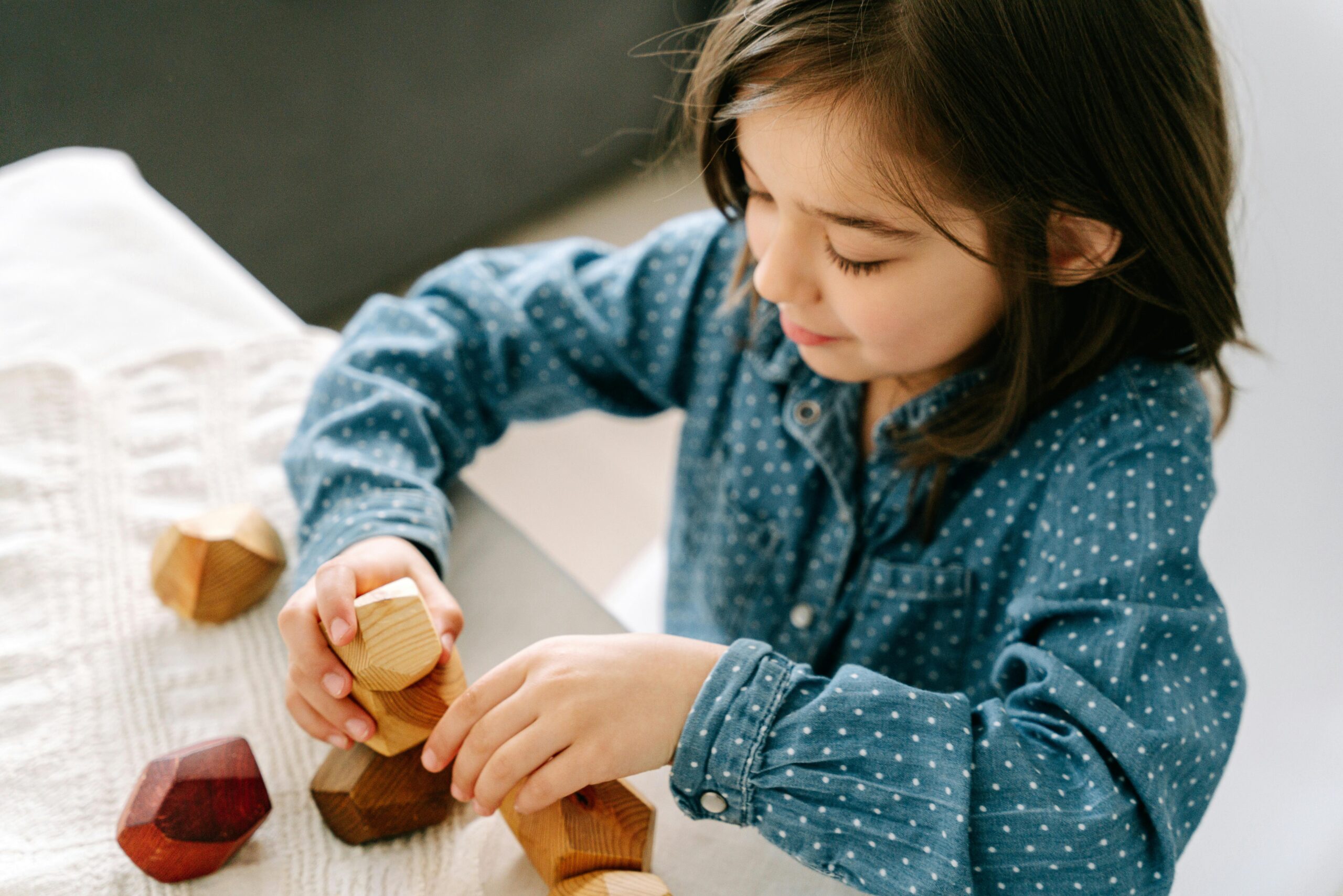
How Play Therapy Works: A Practical Guide
The Power of Play in Therapy
Play therapy transforms ordinary play into a powerful therapeutic tool. Through carefully selected activities and specialized toys, children can express complex emotions and work through challenging experiences that they may not have words to describe 1.
Common Therapeutic Approaches
Role-Playing with Dolls and Puppets
- For Separation Anxiety: A child might act out leaving and returning home using dolls, helping them process feelings about school or parent separation 1.
- For Family Changes: Children can use dollhouses to explore feelings about divorce or new family dynamics, allowing them to express their perspective on changes at home 2.
Nurturing Play
- For Emotional Security: Children may feed, hug, or care for baby dolls or stuffed animals, either expressing their need for nurturing or providing self-comfort through caring for others 3.
- For Building Confidence: Taking on the caregiver role helps children feel more in control and develop empathy 7.
Creative Expression
- For Processing Trauma: Art and drawing provide a safe outlet for expressing difficult emotions without requiring verbal communication 1.
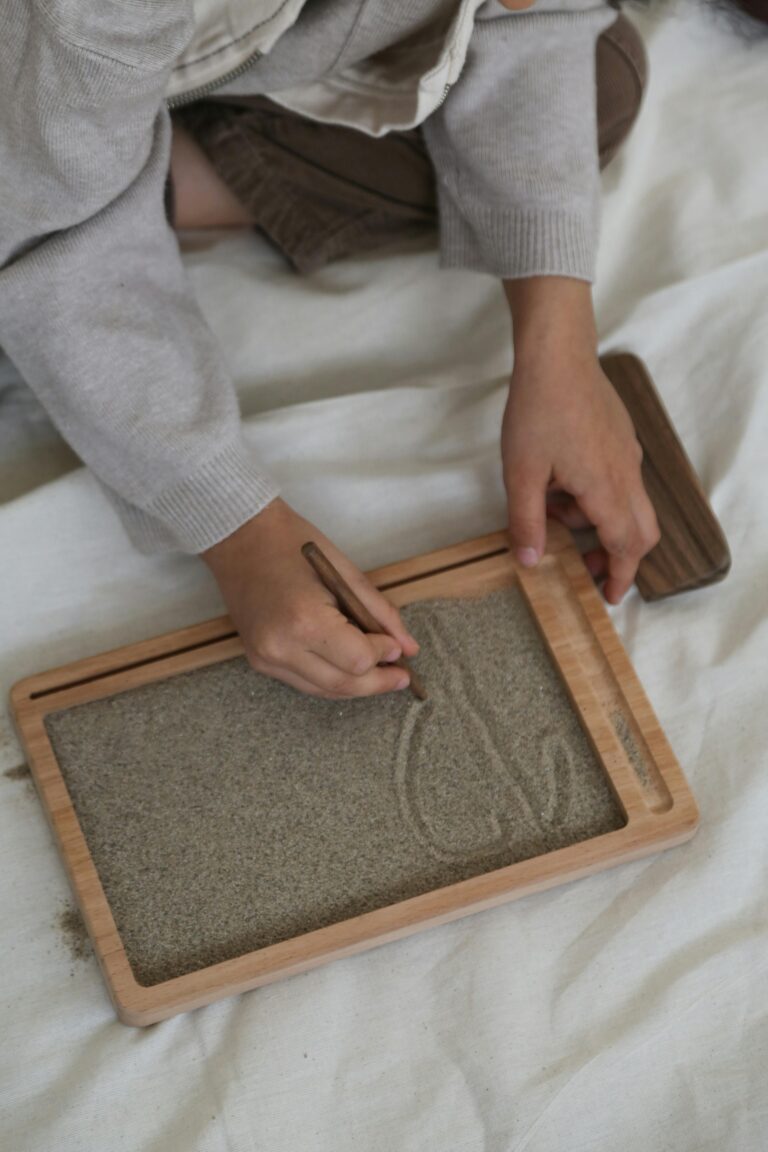
- For Anxiety: Sand tray therapy allows children to create scenes that represent their inner conflicts and fears, providing a safe distance to work through anxious feelings 1.
Real-World Applications
Behavioral Challenges:
- Children who struggle with aggression might use play to work through anger safely
- Example: Using clay or playdough for emotional release
- Sorting toys or creating order can help children who feel out of control 3
Emotional Development:
- For Anxiety and Depression: Play therapy provides tools for:
- Expanding self-expression
- Increasing self-knowledge
- Problem-solving skills
- Stress relief 7
Social Skills Development:
- For Autism: Structured play activities help develop:
- Social interaction skills
- Emotional awareness
- Sensory regulation
- Communication abilities 5
Supporting Your Child’s Journey: Taking the Next Step
Every child has an innate capacity for healing and growth through play. As a parent, recognizing when your child needs additional support is a sign of strength, not weakness 1. Play therapy offers a gentle, developmentally appropriate path to emotional wellness that honors your child’s natural way of expressing themselves 2.
Why Professional Support Matters Children often communicate their struggles through behaviour rather than words. A qualified play therapist creates a specialized environment where your child can safely explore their feelings and develop new coping strategies 3. Through therapeutic play, children gain confidence, emotional resilience, and better ways to handle life’s challenges 6.
Moving Forward Together Taking the first step toward play therapy shows your commitment to your child’s emotional wellbeing. Remember:
- Early intervention often leads to better outcomes
- Your child’s emotional health is as important as their physical health
- Professional support can strengthen family bonds
- Play therapy provides tools that last a lifetime 12
A Safe Space for Growth In the nurturing environment of play therapy, your child can:
- Express themselves freely without judgment
- Process difficult experiences at their own pace
- Build emotional intelligence and resilience
- Develop stronger social skills and self-esteem 36
If you’re considering play therapy for your child, trust your instincts. Together, we can create a supportive pathway for your child’s emotional growth and development. Reach out today to discuss how play therapy might benefit your child’s unique situation 1.
Every child deserves the chance to thrive. Let’s work together to give your child the tools they need for emotional wellness through the healing power of play.
